
 close
close


 LOGIN
LOGINYou are viewing 1 of your 1 free articles
Tibialis posterior: the overworked triathlete muscle


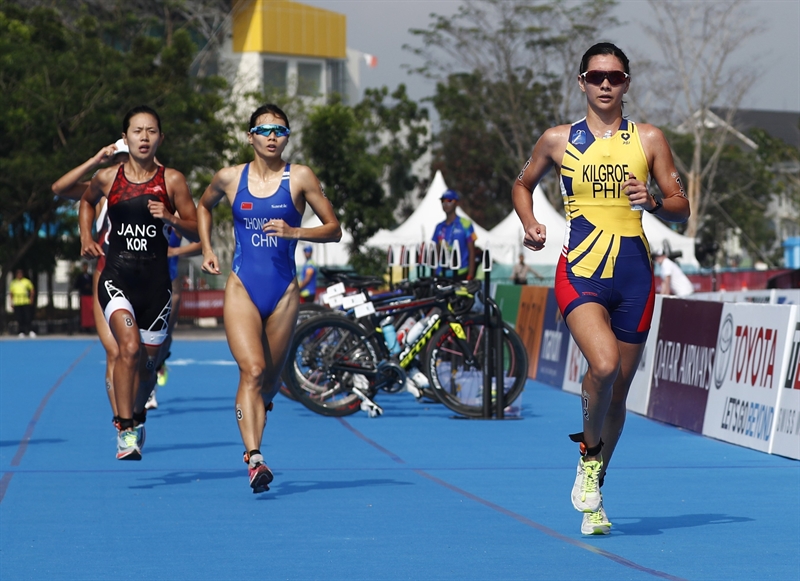
Triathletes are runners too. So are football, soccer, and rugby players. Triathletes, however, have the added stress of swimming and cycling prior to running. This means their lower legs are already fatigued when engaged to run.
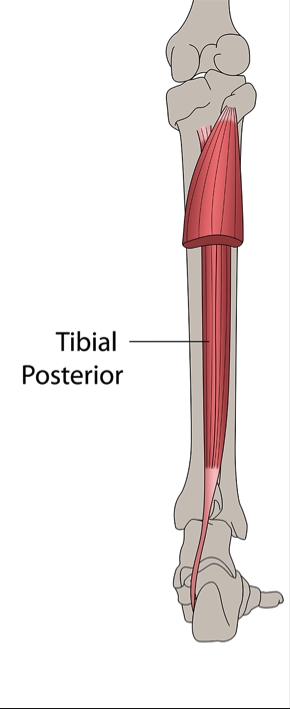
Physiotherapist Trevor Langford examines the role of the tibialis posterior in today’s feature article. This muscle lies under the gastrocnemius and the soles within the deep posterior compartment of the lower leg (see figure 1). The tendon courses around the medial malleolus and divides into three components with three separate attachments on the bottom of the foot. The tibialis posterior plays a role in plantar flexion, and also supports the medial longitudinal arch (MLA).
When swimming, freestyle kicking and pushing off the wall for turns activate the tibialis posterior and place it in prolonged plantar flexion. Similarly, biking activates the muscle in a shortened position. When it comes time to run, the muscle may be tight and tired, and therefore strain to support the MLA.
Figure 1: Anatomy of the posterior tibialis muscle
The deep posterior compartment also contains the flexor digitorum longus, flexor hallucis longus, and popliteus muscles. The posterior tibial nerve, artery and vein also pass through this compartment. Pain deep within the leg may be due to chronic exertional compartment syndrome. Alicia Filley investigates the impact of this problem on runners and explores strategies for relieving the pressure.
The posterior tibialis is also implicated in shin splint pain. In a follow-up article, Filley explains how altering biomechanics up the kinetic chain can relieve posterior tibialis strain. If the pelvis is weak and unable to support unilateral stance while running, the posterior tibias must work harder to support the MLA and prevent excessive pronation. Therefore, not only triathletes but any runner may suffer from a strained posterior tibialis.

Alicia Filley

Latest Issue
Subscribe Today
Newsletter Sign Up
Subscriber Testimonials
Dr. Alexandra Fandetti-Robin, Back & Body Chiropractic
Elspeth Cowell MSCh DpodM SRCh HCPC reg
William Hunter, Nuffield Health
Subscribe Today

Newsletter Sign Up
Coaches Testimonials
Dr. Alexandra Fandetti-Robin, Back & Body Chiropractic
Elspeth Cowell MSCh DpodM SRCh HCPC reg
William Hunter, Nuffield Health
Subscribe Today
Latest Issue

Be at the leading edge of sports injury management
Our international team of qualified experts (see above) spend hours poring over scores of technical journals and medical papers that even the most interested professionals don't have time to read.
For 17 years, we've helped hard-working physiotherapists and sports professionals like you, overwhelmed by the vast amount of new research, bring science to their treatment. Sports Injury Bulletin is the ideal resource for practitioners too busy to cull through all the monthly journals to find meaningful and applicable studies.
*includes 3 coaching manuals
Get Inspired
All the latest techniques and approaches


Sports Injury Bulletin brings together a worldwide panel of experts – including physiotherapists, doctors, researchers and sports scientists. Together we deliver everything you need to help your clients avoid – or recover as quickly as possible from – injuries.
We strip away the scientific jargon and deliver you easy-to-follow training exercises, nutrition tips, psychological strategies and recovery programmes and exercises in plain English.
