ao link
Chris Mallac

Chris Mallac

Recent Articles

Femoral Neck Stress Fractures in Athletes

Femoral Neck Stress Fractures in Athletes

Femoral neck stress fractures are uncommon and difficult to identify in clinical practice. Clinicians must be on high alert when assessing athletes with the relevant risk factors and associated symptoms.
Serving up spondyloarthritis: time for a clinical hawkeye

Serving up spondyloarthritis: time for a clinical hawkeye

Spondyloarthritis is an uncommon collection of chronic inflammatory systemic disorders. Athletic populations may be at greater risk of misdiagnosis due to the physical demands of sport and the high prevalence of back pain during peak training or competition periods. Chris Mallac explores spondyloarthritis and provides a management outline for clinicians.
Saved by the bell: beating the injury count

Saved by the bell: beating the injury count

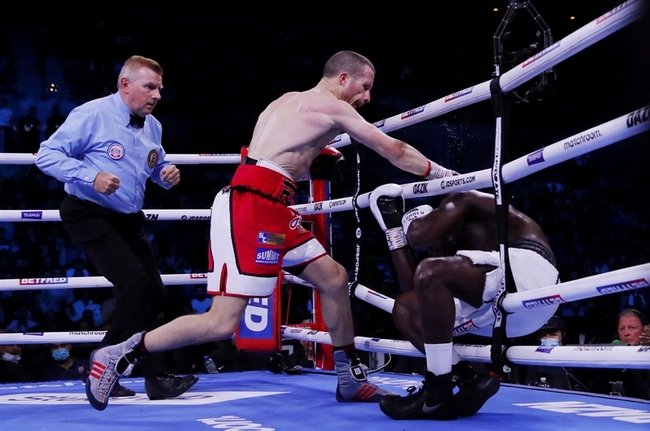
Hand injuries are common in combat sports, particularly boxing. However, athletes may delay medical management due to the apparent innocuous nature of many of the injuries. Chris Mallac discusses boxing hand injuries and gives clinicians a treatment overview to ensure athletes are not TKO’d by injury.
Scratching beneath the surface: hip resurfacing arthroplasty in athletes

Scratching beneath the surface: hip resurfacing arthroplasty in athletes

Hip osteoarthritis is an uncommon finding in the active young population, and its incidence increases with age. For the relatively young athlete who desires to continue training and competing, the diagnosis of hip OA may pose a dilemma. Chris Mallac shines a light on hip resurfacing in athletic populations and provides rehabilitation guidelines for practitioners.
Obsessing about Osteochondritis Dissecans

Obsessing about Osteochondritis Dissecans

Osteochondritis dissecans (OCD) of the knee is a pathological entity initially presenting as vague internal knee pain. Chris Mallac takes a deep dive into OCD and uncovers the clinical presentation and management.
Getting to grips with the distal radioulnar joint

Getting to grips with the distal radioulnar joint

Wrist injuries account for 3-9% of all sports injuries(1). Chris Mallac gets to grips with distal radioulnar joint injuries and discusses the presentation, diagnosis, and management in clinical practice.
Thoracic Outlet Syndrome in the Athlete: Part 2

Thoracic Outlet Syndrome in the Athlete: Part 2

Chris Mallac outlines the clinical tests used to diagnose TOS and discusses conservative management and surgical options to treat this injury.
Thoracic Outlet Syndrome in the Athlete: Part 1

Thoracic Outlet Syndrome in the Athlete: Part 1

Chris Mallac explores the different causes of thoracic outlet syndrome and the typical signs and symptoms that usually plague an athlete in this confusing, poorly defined, and difficult-to-diagnose problem.
Little leaguer’s elbow: a growing concern

Little leaguer’s elbow: a growing concern

While practice might make perfect, too much preparation can damage growing bones. Chris Mallac explains how pitching mechanics and skeletal immaturity contribute to little leaguer’s elbow.
Unusual Injuries: Quadrilateral Space Syndrome

Unusual Injuries: Quadrilateral Space Syndrome

Athletes with persistent and undiagnosed shoulder pain may suffer from the rare but painful quadrilateral space syndrome. Chris Mallac unravels this complex diagnosis and offers practical treatment solutions.
Pectoralis major tendon ruptures part II: Rehabilitation management

Pectoralis major tendon ruptures part II: Rehabilitation management

Part one of this two-part series on Pectoralis Major (PM) tendon ruptures discussed the mechanism of injury, signs, and symptoms of a ruptured PM tendon, and the resulting functional limitations. In part two, Chris Mallac explains the management of this condition and describes the post-operative rehabilitation protocol.
Uncommon injuries: Pectoralis major ruptures part I

Uncommon injuries: Pectoralis major ruptures part I

In the first of a two-part series, Chris Mallac explains the functional anatomy of the pectoralis major and its tendon, the situations that place the tendon at risk for injury, and the signs and symptoms of a ruptured tendon.
Plantar plate tear: a common overload injury in athletes

Plantar plate tear: a common overload injury in athletes

Chris Mallac investigates the causes of plantar plate injury in athletes and provides diagnosis and treatment options.
Cyclops lesions after ACL reconstruction: something to keep an eye on

Cyclops lesions after ACL reconstruction: something to keep an eye on

Cyclops lesions are a common cause of range of motion limitations after ACL reconstruction. Chris Mallac defines the malady, explores the causes, and suggests ways to prevent this syndrome from occurring.
Extension pattern back pain: understanding this overuse injury

Extension pattern back pain: understanding this overuse injury

Chris Mallac explores the concept of extension pattern back pain in athletes and provides insights for clinicians treating low back injuries.
Serratus Anterior and Overhead Athletes: Part II - Rehab Regimen

Serratus Anterior and Overhead Athletes: Part II - Rehab Regimen

In the second part of this two-part series, Chris Mallac highlights some clinically relevant exercises designed to retrain serratus anterior function.
Serratus Anterior and Overhead Athletes: Understand its Importance!

Serratus Anterior and Overhead Athletes: Understand its Importance!

Dysfunction in the serratus anterior can lead to shoulder injuries and affect performance. In the first of a two-part series, Chris Mallac looks at its anatomy and biomechanics,
Navicular stress fracture: a high-impact risk for young athletes

Navicular stress fracture: a high-impact risk for young athletes

Chris Mallac investigates the causes, diagnosis, and management of navicular stress fractures in athletes.
Fractures of the Proximal 5th Metatarsal in Athletes

Fractures of the Proximal 5th Metatarsal in Athletes

Chris Mallac explores the etiology and classification of 5th metatarsal fractures in athletes, provides diagnostic guidance, and available treatment options.
Plantaris tendon: the nuisance bystander?

Plantaris tendon: the nuisance bystander?

The plantaris muscle and tendon are considered unnecessary for the biomechanical function of the lower limb. Yet this benign muscle can cause problems if ruptured or involved in a medial Achilles tendon injury. Chris Mallac explains why, and how to manage an injury to either.

Biography

Chris Mallac, Physiotherapist is a highly qualified Physiotherapist and Educator. He's worked with elite level State and National rugby and football teams in Australia, the UK and France. Former Head of Performance for London Irish Rugby Union, he served a consultancy role with a professional French Rugby Union team. Based in Australia, he recently acted as the High Performance Manager for the Brisbane Roar Soccer Team who play in the Australian A League. He works in private practice.

Twitter
LinkedIn
Youtube
Sports Injury Bulletin

Sports Injury Bulletin brings together a worldwide panel of experts – including physiotherapists, doctors, researchers and sports scientists. Together we deliver everything you need to help your clients avoid – or recover as quickly as possible from – injuries.


We strip away the scientific jargon and deliver you easy-to-follow training exercises, nutrition tips, psychological strategies and recovery programmes and exercises in plain English.

© 2024 Sports Injury Bulletin
Part of Green Star Media Ltd. Company number: 3008779