
 close
close


 LOGIN
LOGINYou are viewing 1 of your 1 free articles
Pectoralis Major Tear: A Likely Combat Sports Injury


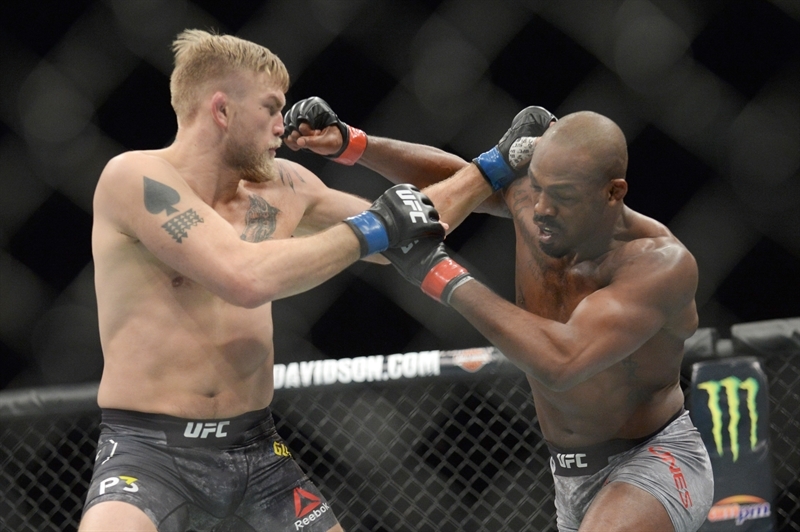
Dec 29, 2018; Los Angeles, CA, USA; Jon Jones (red gloves- note the tension on his right pec) fights Alexander Gustafson (blue gloves). Credit: Gary A. Vasquez-USA TODAY Sports
Participation in combat sports continues to increase in the United States, particularly among younger populations. According to an ESPN survey, 5.5 million teens and 3.2 million children under 13 years of age engage in mixed martial arts (MMA)(1). The incidence of injury from participation in MMA is between 22.9 and 28.6 per 100-fight encounters(1). Because more encounters occur during training than during competition, the incidence of training-related injury is higher than that during competition.
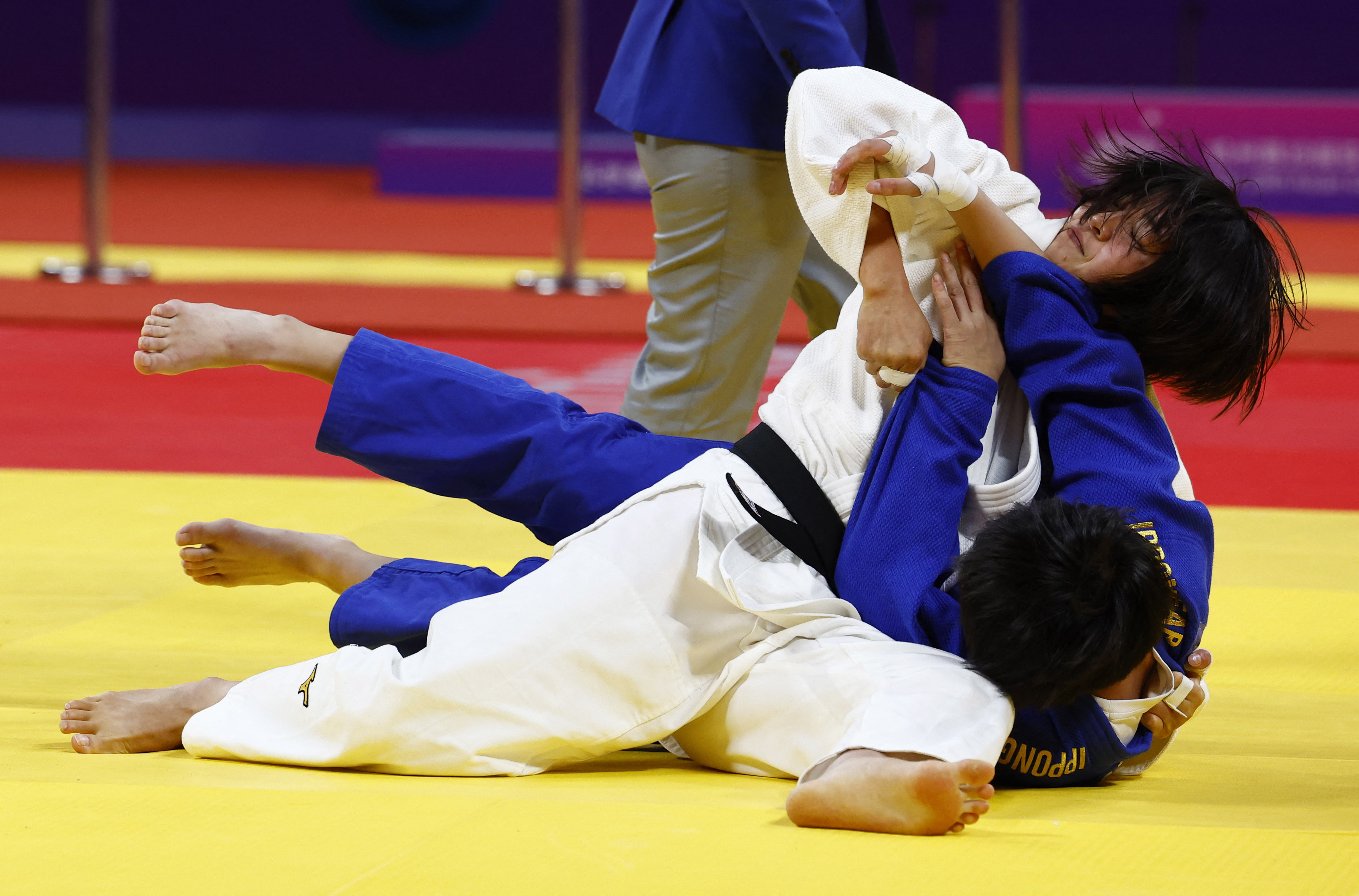
Injuries from combat training depend on the sport’s emphasis. Those who rely on striking, such as boxing, karate, taekwondo, etc., most often cause injuries to the head, face, and foot. Trauma to the ankle can occur from leg strikes. However, submission-based approaches, such as judo, wrestling, and Brazilian jiu-jitsu, are associated with joint injuries. These occur primarily in the shoulders, elbows, and knees.
One of the more unusual upper extremity injuries seen in combat sports is a pectoralis major tear. While the mechanism of injury to the pec major is typically a bench press, any movement against maximal resistance during abduction and external rotation renders the tendon vulnerable. Tears can occur within the muscle belly, at the musculotendinous junction, or at the insertion on the humerus. Signs that indicate a tear include:
- Bruising along the anterior chest wall, axilla, or upper arm;
- Swelling in those same areas;
- A divot in or hollowing of the axilla;
- Decreased strength and pain during upper arm coronal plane adduction and internal rotation.
Pectoralis major tears are best diagnosed using magnetic resonance imaging (MRI). Surgical repair is recommended during the first six weeks to maximize muscle integrity and strength. Tears at the musculotendinous junction are repaired with permanent sutures. Avulsions from the bone require anchoring.
Rehabilitation guidelines
Little research exists on the optimal postoperative course. Decisions for the progression of rehabilitation depend on the surgical approach. Rehab after tendon or muscle tissue repair without bone anchoring usually proceeds more cautiously, giving the soft tissue three to four weeks of immobilization to promote healing(2). If shoulder involvement also requires repair, as in a 26-year-old injured during military combat training, longer immobilization may be necessary to ensure healing of the labrum (as in this case) or the rotator cuff muscles(3). After tendon anchoring procedures, immobilization lasts approximately three weeks(1).
The following is a skeleton outline of the progression of rehabilitation after pectoralis major repair. Be sure to consult with the surgeon for specifics on the repair and when applicable, follow their recommended protocol.
Immediate postoperative phase (0-2 weeks)
As with all postoperative rehabilitation, immediate goals include:
- Promote healing;
- Manage pain and edema;
- Diminish effects of immobilization.
Begin passive range of motion (PROM) two weeks postoperatively. For a guide on PROM progression, see the table here. Electrical stimulation and cryotherapy help manage pain and swelling. Begin gentle scar management once the skin tissue has healed.
Intermediate post-operative phase (3-6 weeks)
Goals for this phase:
- Increase range of motion;
- Begin strengthening;
- Maintain cardiovascular status.
Start active assistive range of motion (AAROM) exercises at this time within the range of motion restrictions. Include gentle submaximal isometric contractions of the surrounding muscles. Introduce cross-training on stationary bikes and avoid treadmills and other machines that pose a fall risk.
Late post-operative phase (6-12 weeks)
Goals for this phase include:
- Regain full range of motion;
- Promote muscle strength.
Begin submaximal isometric contractions with the pectoralis in a shortened position. Progress to isotonic contractions in other muscles. More aggressive scar management can begin after eight weeks. At that time, begin strengthening activities, such as PNF patterns and theraband exercises, using minimal resistance. Dumbbells and plyometrics can be introduced at week 12, along with joint mobilization.
Advanced post-operative phase (12-16 weeks)
Goals include:
- Full range of motion;
- Resume strength;
- Return to sport.
Return to guided sport-specific activities. Avoid performing bench press motion at more than 50% of the previous one repetition max for up to six months after surgery. Isokinetic testing may help determine the athlete’s readiness to return to sport.
References
- Sports Health.2017 Jan/Feb;9(1):64-69
- N Am J Sports Phys Ther. 2007 Feb; 2(1): 22–33
- JOSPT. 2018 Dec;48(12):982

Alicia Filley

Latest Issue
Subscribe Today
Newsletter Sign Up
Subscriber Testimonials
Dr. Alexandra Fandetti-Robin, Back & Body Chiropractic
Elspeth Cowell MSCh DpodM SRCh HCPC reg
William Hunter, Nuffield Health
Subscribe Today
Newsletter Sign Up
Coaches Testimonials
Dr. Alexandra Fandetti-Robin, Back & Body Chiropractic
Elspeth Cowell MSCh DpodM SRCh HCPC reg
William Hunter, Nuffield Health
Subscribe Today
Latest Issue

Be at the leading edge of sports injury management
Our international team of qualified experts (see above) spend hours poring over scores of technical journals and medical papers that even the most interested professionals don't have time to read.
For 17 years, we've helped hard-working physiotherapists and sports professionals like you, overwhelmed by the vast amount of new research, bring science to their treatment. Sports Injury Bulletin is the ideal resource for practitioners too busy to cull through all the monthly journals to find meaningful and applicable studies.
*includes 3 coaching manuals
Get Inspired
All the latest techniques and approaches


Sports Injury Bulletin brings together a worldwide panel of experts – including physiotherapists, doctors, researchers and sports scientists. Together we deliver everything you need to help your clients avoid – or recover as quickly as possible from – injuries.
We strip away the scientific jargon and deliver you easy-to-follow training exercises, nutrition tips, psychological strategies and recovery programmes and exercises in plain English.
