
 close


 LOGIN
Beyond the Plank: Assessing Lumbopelvic Stability in Young Athletes
The McGill core endurance tests are quick, cheap, and reliable, which explains their popularity. Yet hold times alone predict injury poorly, and in growing athletes the numbers shift with maturation and body size. Eurico Marques reinterprets the evidence and builds a tiered lumbopelvic testing battery that tracks performance and guides return to play after injury.
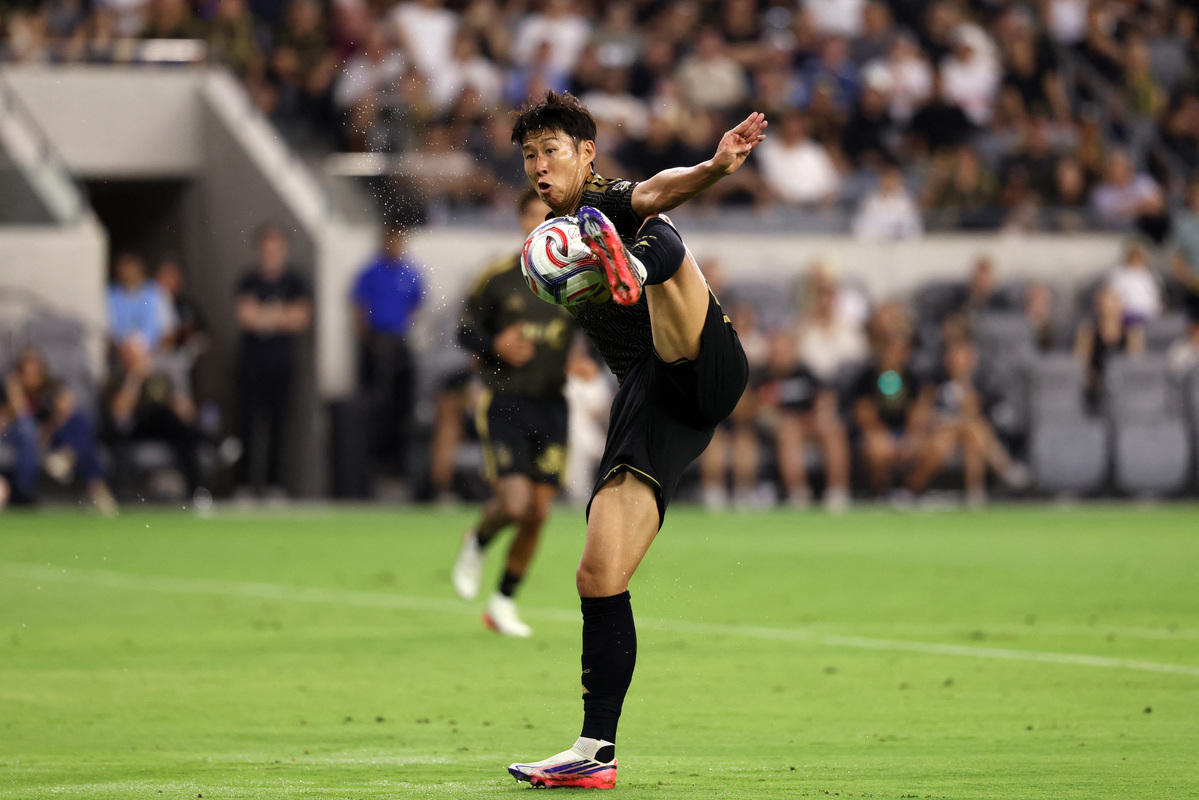
Chelsea’s Maxence Lacroix attempts to clear the ball as Mike Penders scores an own goal, Tottenham Hotspur’s first, at Stamford Bridge, London, October 24, 2026. Credit: REUTERS/Isabel Infantes
Ask a room of physiotherapists how they assess ’core stability’ in a 14-year-old footballer, and most will describe some version of a plank. The appeal is obvious. The tests need no equipment, take under 10 minutes, and produce a number that athletes, parents, and coaches understand. Researchers at George Mason University in Virginia used this approach, applying McGill’s four-test endurance battery alongside hip strength and Star Excursion Balance Test (SEBT) scores in 40 female collegiate lacrosse and soccer players(1).
Their findings deserve more attention than they received. Hip strength, not trunk endurance, predicted dynamic balance, and the only meaningful link between trunk and hip came from extensor endurance correlating with hip extensor strength(1). The score spread was also striking: trunk flexor hold times averaged 57 seconds, with a standard deviation of almost 38 seconds. In other words, ’normal’ covered almost everything. For practitioners working with younger athletes, that raises a fundamental question: what exactly do these tests demonstrate, and when should practitioners trust them?
What the McGill Battery Actually Measures
The battery comprises four isometric holds: the trunk flexor test (a 60-degree supported sit-up position held after the backrest moves away), the left and right side bridges, and the Biering-Sørensen extensor test (see figure 1). Researchers at the University of Waterloo in Canada established the original normative database and argued that the relationships between tests matter more than any single time(2). McGill later turned these normative ratios into the guidelines many clinicians still use: right and left side bridge times should be within about 5% of each other, flexor time should not exceed extensor time, and side bridge time should not exceed roughly 75% of extensor time(2).
“The plank still has a place…”
This ratio approach is the battery’s real strength. A single hold time blends motivation, pain tolerance, body size, and muscle endurance. A ratio partially cancels those factors and highlights imbalances between trunk muscle groups, which matter more clinically than a raw number. The battery remains, however, a measure of static, low-load endurance. It does not show how well an athlete controls trunk position during change of direction, a landing or a tackle.
You need to be logged in to continue reading.
Please register for limited access or take a 30-day risk-free trial of Sports Injury Bulletin to experience the full benefits of a subscription. TAKE A RISK-FREE TRIAL

Eurico Marques

Latest Issue
Subscribe Today
Newsletter Sign Up
Subscriber Testimonials
Dr. Alexandra Fandetti-Robin, Back & Body Chiropractic
Elspeth Cowell MSCh DpodM SRCh HCPC reg
William Hunter, Nuffield Health
Subscribe Today


Newsletter Sign Up
Coaches Testimonials
Dr. Alexandra Fandetti-Robin, Back & Body Chiropractic
Elspeth Cowell MSCh DpodM SRCh HCPC reg
William Hunter, Nuffield Health
Subscribe Today
Latest Issue

Be at the leading edge of sports injury management
Our international team of qualified experts (see above) spend hours poring over scores of technical journals and medical papers that even the most interested professionals don't have time to read.
For 17 years, we've helped hard-working physiotherapists and sports professionals like you, overwhelmed by the vast amount of new research, bring science to their treatment. Sports Injury Bulletin is the ideal resource for practitioners too busy to cull through all the monthly journals to find meaningful and applicable studies.
*includes 3 coaching manuals
Get Inspired
All the latest techniques and approaches


Sports Injury Bulletin brings together a worldwide panel of experts – including physiotherapists, doctors, researchers and sports scientists. Together we deliver everything you need to help your clients avoid – or recover as quickly as possible from – injuries.
We strip away the scientific jargon and deliver you easy-to-follow training exercises, nutrition tips, psychological strategies and recovery programmes and exercises in plain English.
