
 close
close


 LOGIN
LOGINMore Power to your Elbow!


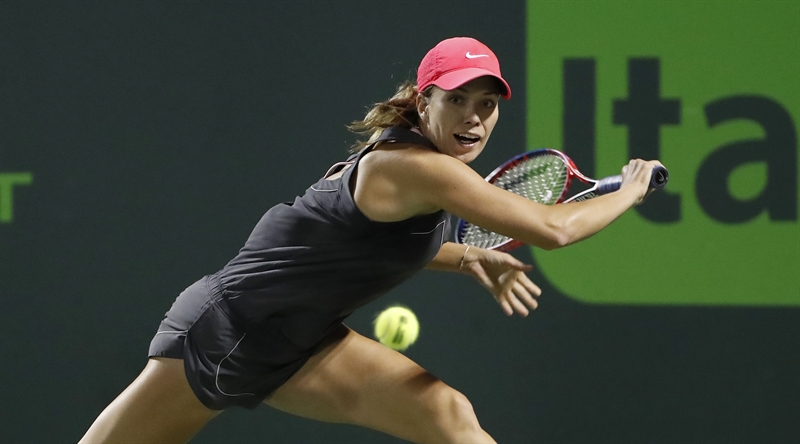
Elbow pain is usually fairly straight forward, either occurring on the medial side or the lateral side. Unfortunately, that’s where the simplicity ends. Lateral epicondylitis (LE), also known as tennis elbow, is a chronic condition that plagues racquet sport athletes, archers, and shooters. Today’s feature article, by physiotherapist Trevor Langford, explores the diagnosis and rehabilitation of LE.
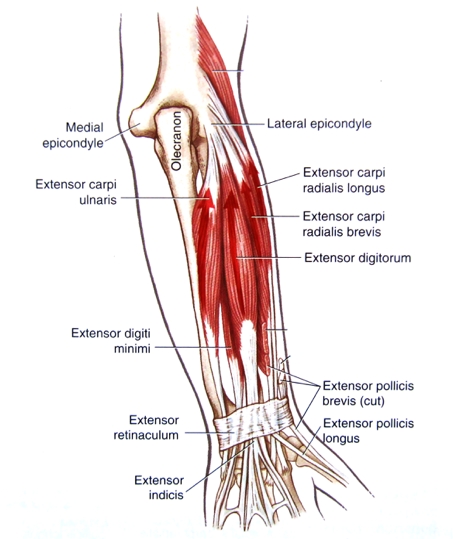
The muscles in the forearm that cause pain at the elbow are the extensor carpi radialis brevis (ECRB), and sometimes the extensor carpi radialis longus (ECRL) (see Figure 1). Single-handed backhand shots are usually to blame for irritating these muscles. Without additional support from the other hand, the tendons become overloaded. Coaching and teaching proper technique are important in the prevention of this syndrome.
Selecting the proper equipment also protects an athlete from over-loading the tendons. Langford reviews how to select the appropriate racquet grip size. A grip that is neither too big nor too small allows the athlete to better control wrist flexion at the point of contact with the ball.
Diagnoses and treatment
Many tests exist to determine the cause of lateral elbow pain. Langford presents three and reports on the specificity and sensitivity of each. We’ve extensively covered tendinopathy in recent articles, and the treatment of LE follows the same protocol of eccentric exercise and slow, heavy resisted movement. Begin exercise therapy once LE is confirmed. Supporting this approach, a Swedish study found tendon loading, via eccentric exercise, resulted in significant pain relief in subjects with LE(1).
Other therapies often tried with LE include injection therapy, bracing, and taping. Researchers in Ontario reviewed the literature concerning the effectiveness of injection therapy on LE(2). Concerning treatment using needle tenotomy, autologous whole blood, and platelet rich plasma, the studies contained bias and design flaws. The research also failed to support treatment of LE with corticosteroid injections.
Elbowing in one more study
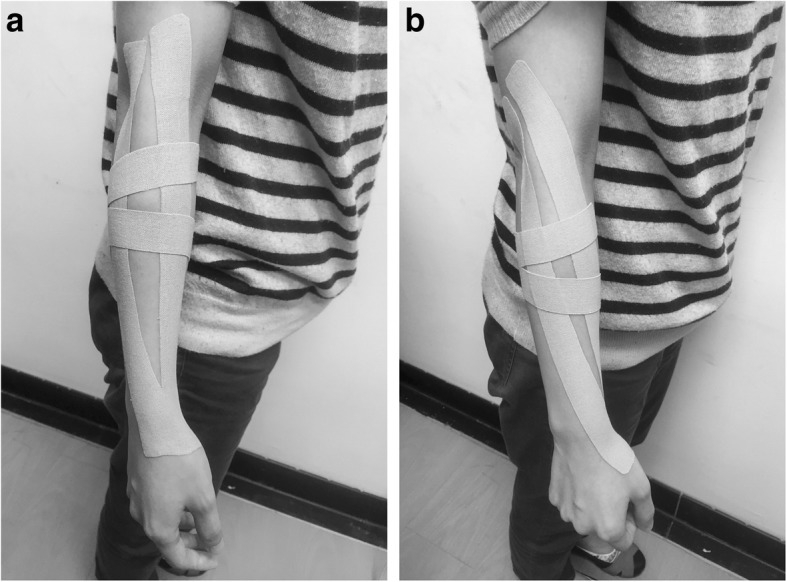
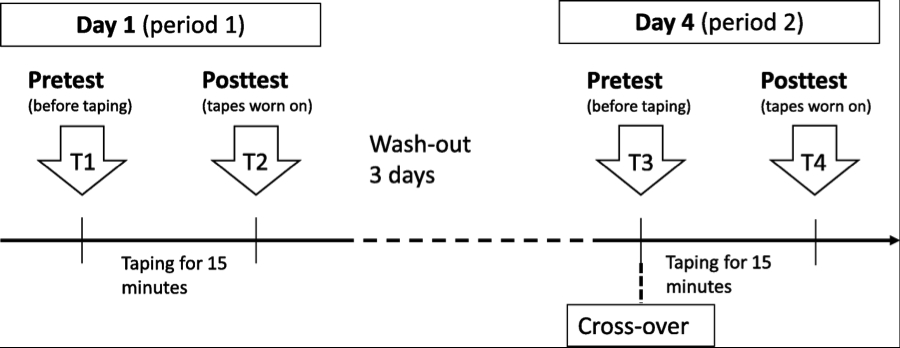
Kinesio taping has gotten a lot of negative press lately because science hasn’t supported the hype and claims of its manufacturers. Some practitioners aren’t ready to throw in the towel yet, including several at Taipei Medical University. They conducted a randomized, double-blinded, crossover study to test its effectiveness in relieving acute pain in LE(3). They found that both the sham and Kinesio tape resulted in pain relief at rest and improved pain-free grip strength. However, the Kinesio tape did provide significantly better pain relieve on resisted wrist extension.
This study, while well designed, consisted of only 15 elbows. Additionally, there was enough evidence of the placebo effect in the parameters measured, that the significant difference should be viewed with skepticism. For the time being, the best approach to treating LE continues to be exercise.
References
- Scand J Med Sci Sports, 2012, 22, 797 – 803
- J Clin Rheumatol.2018 Aug 3 [Epub ahead of print]
- BMC Musculoskeletal Dis. 2018;19:193

Alicia Filley
Latest Issue
Subscribe Today
Newsletter Sign Up
Subscriber Testimonials
Dr. Alexandra Fandetti-Robin, Back & Body Chiropractic
Elspeth Cowell MSCh DpodM SRCh HCPC reg
William Hunter, Nuffield Health
Subscribe Today

Newsletter Sign Up
Coaches Testimonials
Dr. Alexandra Fandetti-Robin, Back & Body Chiropractic
Elspeth Cowell MSCh DpodM SRCh HCPC reg
William Hunter, Nuffield Health
Subscribe Today
Latest Issue
Be at the leading edge of sports injury management
Our international team of qualified experts (see above) spend hours poring over scores of technical journals and medical papers that even the most interested professionals don't have time to read.
For 17 years, we've helped hard-working physiotherapists and sports professionals like you, overwhelmed by the vast amount of new research, bring science to their treatment. Sports Injury Bulletin is the ideal resource for practitioners too busy to cull through all the monthly journals to find meaningful and applicable studies.
*includes 3 coaching manuals
Get Inspired
All the latest techniques and approaches


Sports Injury Bulletin brings together a worldwide panel of experts – including physiotherapists, doctors, researchers and sports scientists. Together we deliver everything you need to help your clients avoid – or recover as quickly as possible from – injuries.
We strip away the scientific jargon and deliver you easy-to-follow training exercises, nutrition tips, psychological strategies and recovery programmes and exercises in plain English.
