
 close
close


 LOGIN
LOGINYou are viewing 1 of your 1 free articles
Navigating the Clinical Impact of Hormonal Contraceptives: Part I
Hormonal contraceptives influence more than reproductive health, with important implications for performance, recovery, and overall physiology. Candice MacMillan explores how clinicians can better understand and integrate these effects into practice.


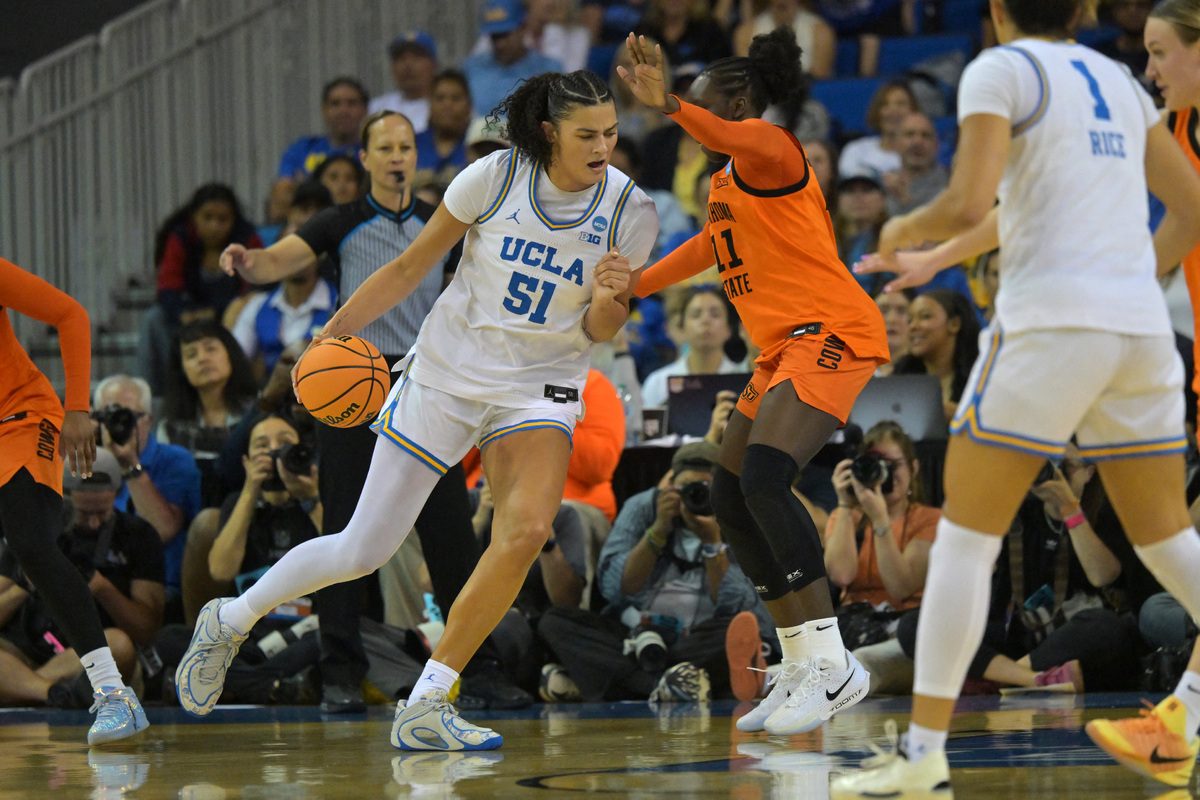
Oklahoma State Cowboys forward Achol Akot defends UCLA Bruins center Lauren Betts in the second half at Pauley Pavilion. Mandatory Credit: Jayne Kamin-Oncea-Imagn Images
For practitioners working with female athletes, understanding the physiological and performance-related implications of contraceptive use is a clinical necessity. This article, the first in a two-part series, establishes foundational knowledge on prevalence, types, and the complex influence of these methods on athletic performance and long-term health, providing the groundwork for the decision-making framework.
Prevalence and Reasons for Use
Hormonal contraceptive (HC) use is highly prevalent in the athletic population, depending on the specific sport, country, and competitive level. Between 49% and 57% of elite athletes currently use HCs, while rates in endurance-specific cohorts can reach 68%(1,2). Sport-specific trends are notable; for instance, endurance athletes show a significant shift toward hormonal intrauterine devices (hIUDs), with 51% of athletes reporting usage(3). Conversely, athletes in "lean sports" or aesthetic disciplines may show a higher tendency toward non-hormonal methods or no contraception at all (up to 54%), likely due to concerns regarding body composition(4).
“Sport-specific trends are notable..."
While pregnancy prevention is a primary motivator, it is far from the only reason athletes seek HCs. Practitioners should recognize that many athletes use these methods for menstrual symptom management, such as reducing dysmenorrhea (painful periods) and heavy bleeding, which can significantly hinder training consistency. Furthermore, cycle regulation and manipulation are high priorities, allowing athletes to control the timing of menstruation to avoid bleeding during major competitions or while traveling. Clinicians may also prescribe HCs for health-related reasons, including the treatment of acne and iron-deficiency anemia. Ultimately, an athlete’s choice is shaped by a combination of personal experience, sport-specific demands, and the desire for individualized, sport-aware medical guidance(2–4).
Mechanisms and Options
Clinicians broadly categorize contraceptive methods into non-hormonal (NHC) and hormonal (HC) options (see figure 1), each with distinct advantages and disadvantages for physically active females (see table 1).
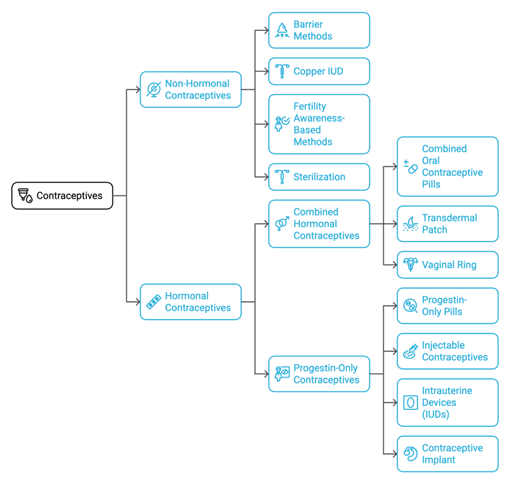
Table 1: Advantages and disadvantages of barrier contraception, Copper IUD, fertility awareness methods, and sterilization
| Pros | Cons | |
| Barrier Contraception | STI protection Hormone-free On-demand use Accessibility Few side effects |
Lower effectiveness Interruption of spontaneity User error Allergic reactions Fitting required |
| Copper IUD | Highly effective Long-lasting Hormone-free Immediate fertility |
Heavy periods Expulsion risk Perforation risk Pelvic inflammatory disease risk Insertion pain |
| Fertility Awareness Methods | Hormone-free Body awareness Cost-effective Pregnancy planning |
High failure rate Diligent tracking required Time-consuming Irregular cycles can influence pregnancy No STI protection |
| Sterilization | High effective Permanent Hormone-free |
Surgical risks Difficult to reverse No STI protection Potential regret |
Non-hormonal contraceptives do not affect the natural menstrual cycle or endogenous hormone fluctuations. These methods include barrier methods (condoms, diaphragms), the copper intrauterine device (IUD), fertility awareness-based methods, and sterilization. The copper IUD is highly effective and long-lasting; however, it may be associated with heavier menstrual bleeding, potentially deterring some athletes. Fertility awareness requires diligent tracking and exhibits a higher failure rate, yet it appeals to individuals seeking to avoid synthetic hormones.
"Hormonal contraceptives introduce synthetic hormones to suppress natural ovarian hormone production..."
Hormonal contraceptives introduce synthetic hormones to suppress natural ovarian hormone production, thereby inhibiting ovulation and maintaining consistently low levels of endogenous sex hormones.
- Combined Hormonal Contraceptives (CHCs) contain both estrogen and progestin, which are available as oral contraceptive pills (OCPs), transdermal patches, and vaginal rings. They offer predictable cycles and symptom relief but carry a low, yet clinically relevant, risk of venous thromboembolism (VTE).
- Progestin-Only Contraceptives (POCs) include progestin-only pills, injections, hIUDs, and implants. They are increasingly popular because they often induce amenorrhea (absence of bleeding). However, certain POCs, notably implants, have been associated with a higher incidence of perceived side effects, such as irregular bleeding or mood changes.
Performance and Injury Risk Implications
The impact of HCs on athletic performance is characterized by significant individual variability, making universal conclusions difficult. They have a minimal negative impact on overall physical performance, with no significant differences observed in markers of maximal strength or power(5,6). For example, a trivial to minor reduction in aerobic capacity (VO2max) among high-intensity cycling users, although the clinical impact for most athletes is considered minor.
A critical physiological consideration is that HCs, especially OCPs, significantly reduce both total and free testosterone levels. Combined Hormonal Contraceptives can reduce total testosterone by 50–60% and free testosterone by 60–80%, primarily through the suppression of androgen synthesis and an increase in Sex Hormone-Binding Globulin (SHBG), which inactivates testosterone(7,8). Given that testosterone influences motivation, mood, and potentially muscle mass and competitive persistence, this suppression may affect some athletes more than others. Despite these changes, many athletes perceive HCs as positive or neutral because the reduction in negative menstrual symptoms allows for more effective training.
The relationship between HC use and injury is complex. Hormonal contraceptives, particularly OCPs, are associated with a lower incidence of ACL injuries requiring reconstruction(5,6). This may be attributed to the synthetic hormones stabilizing the response of connective tissues to hormonal fluctuations. Oral contraceptive pill users also tend to report fewer musculotendinous injuries(9). However, HCs are not protective against all injury types(10). For example, researchers at the University Hospitals Cleveland Medical Center in the USA found that systemic use of both CHC and POCs increases the risk of specific hip pathologies, including labral tears and greater trochanteric pain syndrome, within five years of initiating the method(11). Evidence regarding general musculoskeletal injuries and bone stress fractures remains inconsistent; many studies have shown no significant effect.
"The influence of hormone contraceptives on female athletes is highly individualized..."
Long-Term Effects and Potential Adverse Outcomes
Although most research indicates no major non-reversible long-term adverse effects, several clinical considerations require monitoring.
- Cardiovascular and metabolic health: Hormonal contraceptives can alter biomarkers, including elevating markers of chronic low-grade inflammation, such as C-reactive protein (CRP). Although the clinical significance for athletes remains unclear, this association theoretically relates to long-term cardiovascular risk. Combined Hormonal Contraceptives are also associated with an increased risk of arterial thrombotic events and stroke, although the absolute risk remains low. Moreover, long-term use may lead to increased body fat percentage and potential compromises in bone health, contingent upon the specific formulation(12).
- Reproductive health and "masking": Long-term hormonal contraceptive use does not result in permanent fertility loss, and fertility typically returns to normal shortly after discontinuation. However, a significant concern for practitioners is that HCs can mask underlying menstrual dysfunction. Athletes with Relative Energy Deficiency in Sport (RED-S) may experience withdrawal bleeds while on HCs, potentially creating a false appearance of health while their underlying physiological state remains compromised(7,8).
Finally, practitioners should be aware of the "reproductive window" for elite athletes. Research in sports such as rowing and rugby suggests that these athletes may experience earlier menopause onset or higher rates of infertility treatment following their careers if they exhibited menstrual irregularities during their active years. Education regarding fertility options, including egg cryopreservation, is increasingly important for athletes planning to start families later in life.
Conclusion
The influence of hormone contraceptives on female athletes is highly individualized, offering clear benefits in symptom management and potential protection against ACL injuries, alongside challenges such as hormone suppression and the masking of underlying health issues. Practitioners should prioritize individualized monitoring and open dialogue. This foundation lays the groundwork for Part II, which will detail a decision-making framework for integrating these considerations into an athlete’s long-term health and performance plan.
References
- Sports Med. 2024;54(12):3181-3197.
- Int J of Sports Physiology and Performance. 2018;13(7):926-932.
- Sports Med. 2024;54(12):3181-3197.
- Med & Science in Sports & Exercise. 2022;54(9S):8-8.
- The J of Arthros & Related Surgery. 2025;41(9):3413-3421.
- The J of Arthros & Related Surgery. 2025;41(9):3422-3424.
- The Eur J of Contraception & Reproductive Health Care. 2024;29(1):8-14.
- Eur J Appl Physiol. 2025;125(7):1923-1932.
- Orthopaedic J of Sports Med. 2019;7(3):232596711983106.
- Sports Med. 54, 2515 - 2530.
- The J of Arthros & Related Surgery. 2025;41(12):5118-5124.
- Sports Med. 2017;47(1):175-185.
Latest Issue
Subscribe Today
Newsletter Sign Up
Subscriber Testimonials
Dr. Alexandra Fandetti-Robin, Back & Body Chiropractic
Elspeth Cowell MSCh DpodM SRCh HCPC reg
William Hunter, Nuffield Health
Subscribe Today

Newsletter Sign Up
Coaches Testimonials
Dr. Alexandra Fandetti-Robin, Back & Body Chiropractic
Elspeth Cowell MSCh DpodM SRCh HCPC reg
William Hunter, Nuffield Health
Subscribe Today
Latest Issue
Be at the leading edge of sports injury management
Our international team of qualified experts (see above) spend hours poring over scores of technical journals and medical papers that even the most interested professionals don't have time to read.
For 17 years, we've helped hard-working physiotherapists and sports professionals like you, overwhelmed by the vast amount of new research, bring science to their treatment. Sports Injury Bulletin is the ideal resource for practitioners too busy to cull through all the monthly journals to find meaningful and applicable studies.
*includes 3 coaching manuals
Get Inspired
All the latest techniques and approaches


Sports Injury Bulletin brings together a worldwide panel of experts – including physiotherapists, doctors, researchers and sports scientists. Together we deliver everything you need to help your clients avoid – or recover as quickly as possible from – injuries.
We strip away the scientific jargon and deliver you easy-to-follow training exercises, nutrition tips, psychological strategies and recovery programmes and exercises in plain English.
