
 close
close


 LOGIN
LOGINStuck in the Middle: Patellar Tracking and Pain


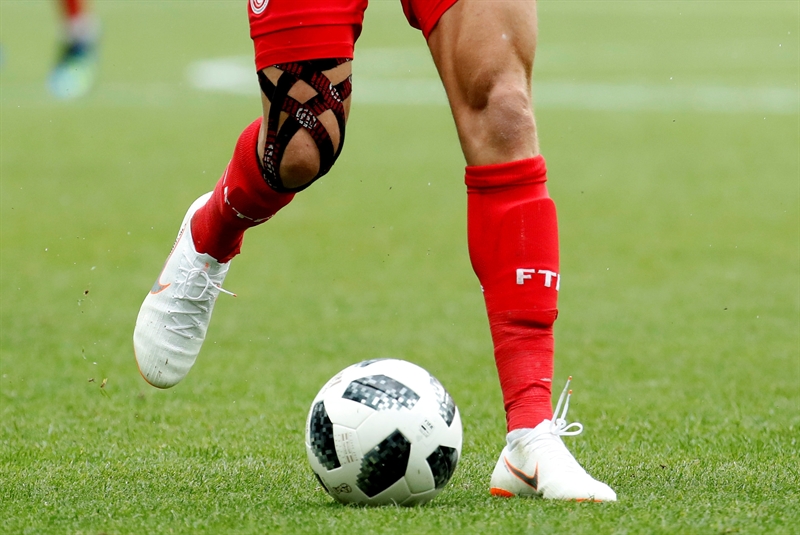
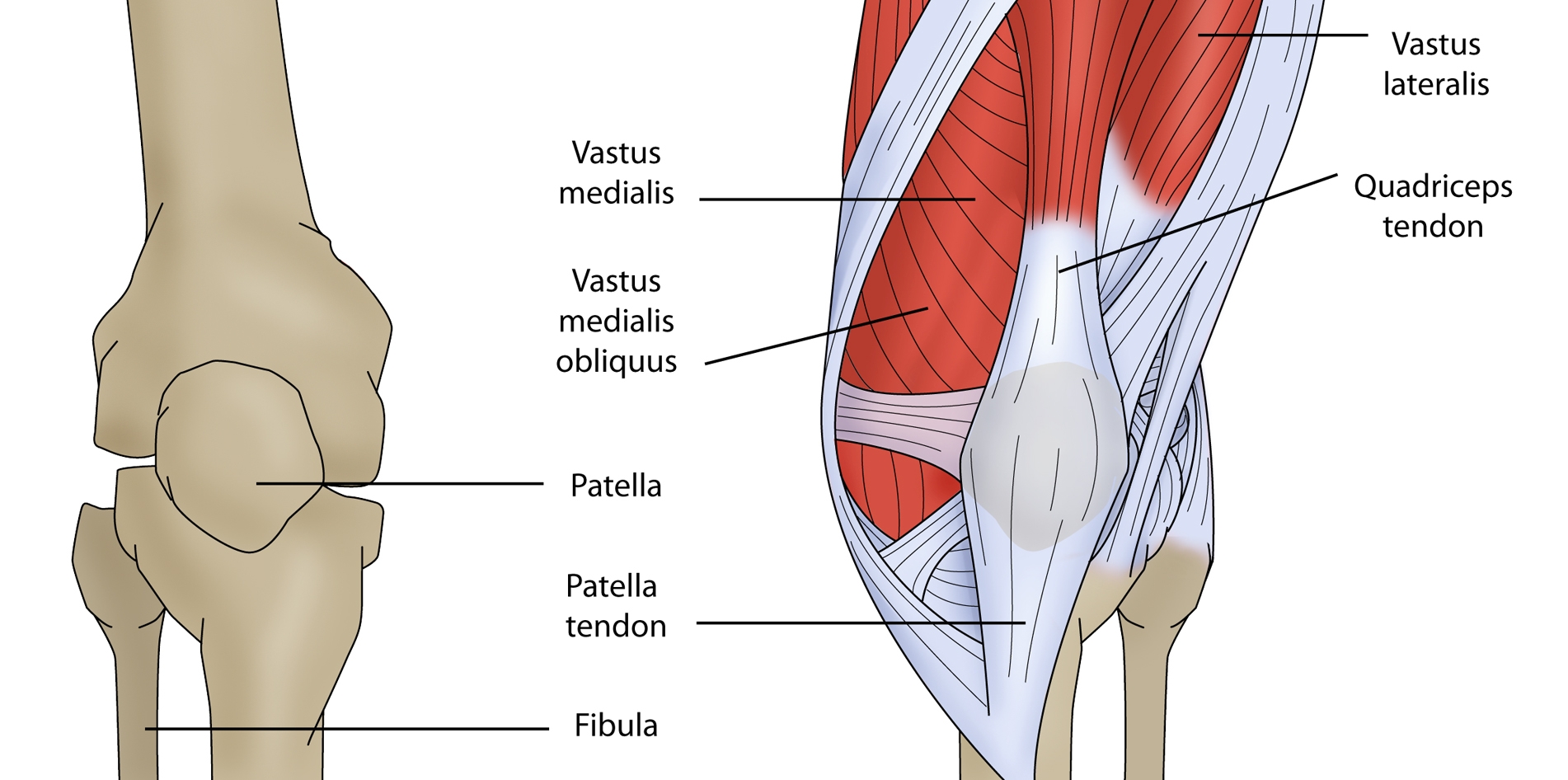
Common in runners and cyclists, patellofemoral pain (PFP) results from improper tracking of the patella along the trochlear groove of the femur (see Figure 1). Many implicate vastus medialis obliquus (VMO) weakness as the cause of the patella sliding astray as the knee flexes and extends. As Chris Mallac explains, however, researchers lack a full understanding of the function of the VMO in patellar tracking. Mallac concludes that whatever the cause, when an athlete presents with PFP, they usually demonstrate VMO dysfunction as well.
In today’s featured article, Pat Gillham discusses how strengthening and stretching the soleus helps with patellofemoral pain (PFP). This unique approach to the treatment of PFP bucks traditional approaches that put the blame for PFP on the VMO. According to Gillham, strengthening the soleus helps a runner increase cadence which in turn decreases the ground reaction forces absorbed at the knee.
Both the above and below knee approach to the treatment of PFP come together in one perfect exercise: the cyclist squat (see Figure 2). Long used as a way to strengthen the VMO, the cyclist squat, by including deep knee flexion and slight heel elevation, also engages the soleus. While the VMO gets all the glory in the exercise and becomes the hero for resolving PFP, the stronger soleus may play an important role, by increasing step rate as well as decreasing the tibial progression rate in stance. If the soleus engages more effectively in controlling tibial progression, then the quadriceps won’t have to fire as rapidly to bring the rest of the body over the lower leg in terminal stance.
Certainly, exercises to address VMO dysfunction, as Mallac describes in part II of his series on patellar tracking, assist with PFP. And, as Gillham explains, soleus rehab has its place in the treatment of PFP as well. However, when looking for the biggest bang for your buck, include the cyclist squat in your training plan to target both at once.
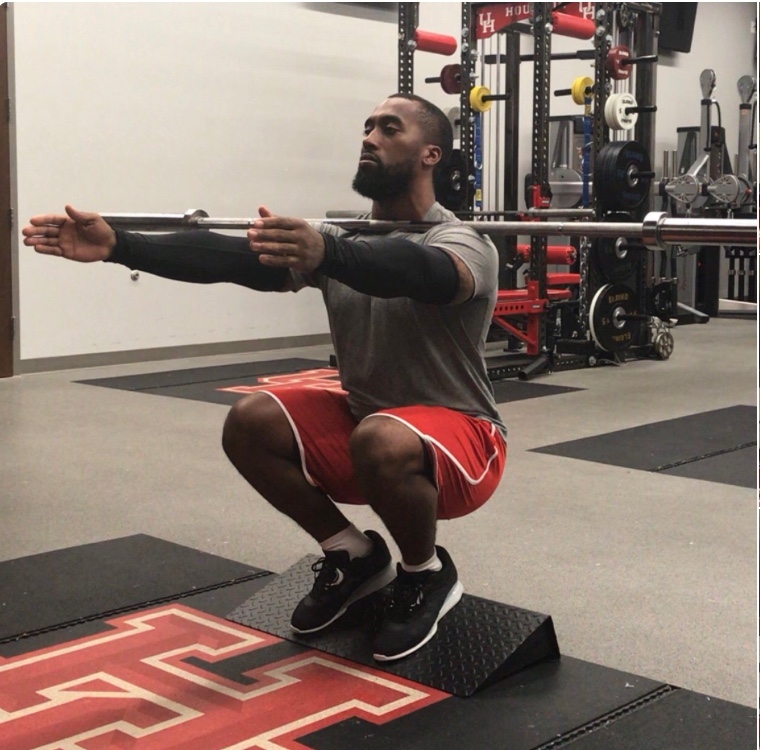
University of Houston men’s basketball Director of Sports Performance, Alan Bishop @CoachAlanBishop, extols the benefits of the cyclist squat as modeled by fellow strength and conditioning coach Jason Wooding @Coach_Wooding.

Alicia Filley

Latest Issue
Subscribe Today
Newsletter Sign Up
Subscriber Testimonials
Dr. Alexandra Fandetti-Robin, Back & Body Chiropractic
Elspeth Cowell MSCh DpodM SRCh HCPC reg
William Hunter, Nuffield Health
Subscribe Today

Newsletter Sign Up
Coaches Testimonials
Dr. Alexandra Fandetti-Robin, Back & Body Chiropractic
Elspeth Cowell MSCh DpodM SRCh HCPC reg
William Hunter, Nuffield Health
Subscribe Today
Latest Issue

Be at the leading edge of sports injury management
Our international team of qualified experts (see above) spend hours poring over scores of technical journals and medical papers that even the most interested professionals don't have time to read.
For 17 years, we've helped hard-working physiotherapists and sports professionals like you, overwhelmed by the vast amount of new research, bring science to their treatment. Sports Injury Bulletin is the ideal resource for practitioners too busy to cull through all the monthly journals to find meaningful and applicable studies.
*includes 3 coaching manuals
Get Inspired
All the latest techniques and approaches


Sports Injury Bulletin brings together a worldwide panel of experts – including physiotherapists, doctors, researchers and sports scientists. Together we deliver everything you need to help your clients avoid – or recover as quickly as possible from – injuries.
We strip away the scientific jargon and deliver you easy-to-follow training exercises, nutrition tips, psychological strategies and recovery programmes and exercises in plain English.
