
 close
close


 LOGIN
LOGINYou are viewing 1 of your 1 free articles
Running and knee arthritis


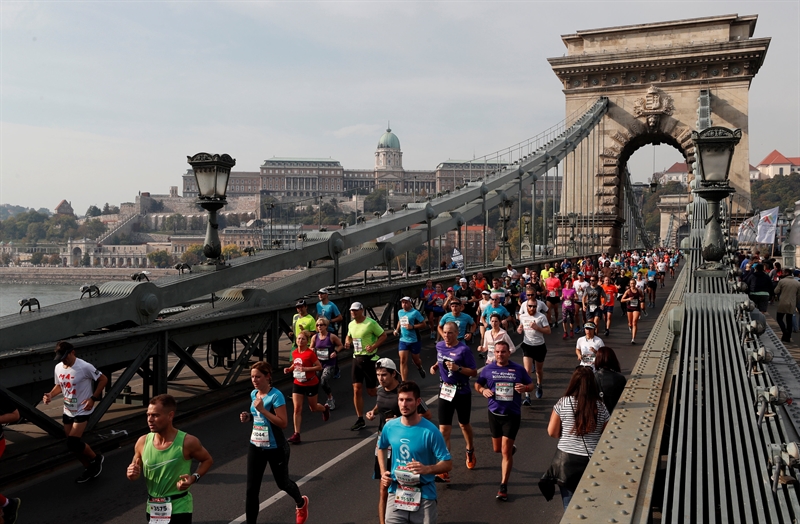
Like the misconception, that bad posture causes back pain, the myth that running causes knee arthritis persists. Researchers at the University of British Columbia compared the beliefs concerning running and knee osteoarthritis (OA), of runners, non-runners, and healthcare practitioners (HCP)(1). A total of 831 surveys revealed that 13% of the non-HCP population surveyed believed running harms the knee joint. Nearly 26% of them were unsure of the effect running has on knees. Half of them thought that running makes knee OA worse and that runners will require eventual knee replacement surgery.
The HCP population consisted of medical doctors, physiotherapists, chiropractors, athletic trainers, and others. Of this population, nearly 10% of them believed that frequent running was harmful to knee joints. Roughly one-quarter of the HCPs assumed that long distance running (marathons or longer) increased the risk of knee OA. Asked about their thoughts on running with existing knee OA, 18% said running would make it worse and 26% were unsure. Half of them felt, however, that running would be okay as long as the subject didn’t experience any OA symptoms. Lastly, 25% of the HCP population wasn't sure if running with knee OA would hasten the patient toward knee replacement or not. One-third of the HCPs recommend patients with knee OA modify their running regimen, and half of them encouraged patients to continue running as long as possible.
What’s the right recommendation?
Most researchers agree that running isn’t associated with the development of knee OA. However, a recent review of the literature (with a meta-analysis of 17 of the reviewed articles) conducted by Spanish researchers, revealed runners may indeed have a slightly greater risk of OA over controls (2). They found that the competitive runners studied had a greater incidence (13%) of hip and knee OA than the recreational runners (3.5%) and controls (10.2%). Unfortunately, there wasn't a consistent definition of ‘competitive’ runner among the studies.Despite the increased incidence, the meta-analysis didn't determine a causative relationship between running and OA. Other contributing factors, such as prior injuries and number of years running, were not accounted for in the study. Therefore, while the headline and findings of the study may support the cultural belief that running contributes to the development of knee OA, that conclusion is inaccurate. Yet, more than 40% of the non-HCP survey respondents believed it to be so (1)!
Prior injuries such as ACL tears are known to increase the chance of knee OA. One of the most successful treatment strategies for knee OA is exercise. Therefore, it seems logical that exercise might have a protective effect in those with a prior injury. That increases the burden on the therapist or trainer to guide a successful rehabilitation and return the athlete to sport.
These studies come with a note of caution. Choose your resources for information wisely; as shown in the Canadian study, even HCPs don’t always stay up to date with current research-based information. These accepted misconceptions can harm patient and athlete outcomes. This is where reliable sources like SportsInjuryBulletin.com can help! A subscription allows access to the latest findings on sports injuries, such as those experienced by runners. In addition, our supplemental books such as Running Injuries and Knee Injuries in Athletes, provide you with a sharable resource you can access time and again to keep bringing science to your treatment.
Reference
- PLOS ONE. 2018 Oct 1;13(10):1-14
- 2017;47(6):373-90

Alicia Filley

Latest Issue
Subscribe Today
Newsletter Sign Up
Subscriber Testimonials
Dr. Alexandra Fandetti-Robin, Back & Body Chiropractic
Elspeth Cowell MSCh DpodM SRCh HCPC reg
William Hunter, Nuffield Health
Subscribe Today


Newsletter Sign Up

Coaches Testimonials
Dr. Alexandra Fandetti-Robin, Back & Body Chiropractic
Elspeth Cowell MSCh DpodM SRCh HCPC reg
William Hunter, Nuffield Health
Subscribe Today
Latest Issue

Be at the leading edge of sports injury management
Our international team of qualified experts (see above) spend hours poring over scores of technical journals and medical papers that even the most interested professionals don't have time to read.
For 17 years, we've helped hard-working physiotherapists and sports professionals like you, overwhelmed by the vast amount of new research, bring science to their treatment. Sports Injury Bulletin is the ideal resource for practitioners too busy to cull through all the monthly journals to find meaningful and applicable studies.
*includes 3 coaching manuals
Get Inspired
All the latest techniques and approaches


Sports Injury Bulletin brings together a worldwide panel of experts – including physiotherapists, doctors, researchers and sports scientists. Together we deliver everything you need to help your clients avoid – or recover as quickly as possible from – injuries.
We strip away the scientific jargon and deliver you easy-to-follow training exercises, nutrition tips, psychological strategies and recovery programmes and exercises in plain English.
