
 close
close


 LOGIN
LOGINYou are viewing 1 of your 1 free articles
Psychological Red Flags: A Clinician's Guide
Carl Bescoby explores the psychological red flags that can hinder athletes’ recovery journey, such as low mood, catastrophic thinking, avoidance, and non-adherence. He offers practical strategies for recognizing these warning signs and providing effective support, ultimately promoting physical recovery and emotional resilience.



Jamaica’s Shelly-Ann Fraser-Pryce and Tia Clayton, Germany’s Nele Jaworski and Jessica-Bianca Wessolly in action during the women’s 4x100 metres relay - heat 2 REUTERS/Tingshu Wang
Injury rehabilitation is often viewed through a physical lens, focusing on tissue healing, functional gains, and the eventual return to sport. Yet, the psychological journey is just as critical, influencing how athletes engage with rehabilitation and whether they ultimately achieve a full recovery. When clinicians encounter inconsistent participation, emotional withdrawal, or resistance to rehabilitation, these behaviors often signal deeper psychological struggles. The capacity to recognize and address the obstacles hindering successful injury recovery is what determines effective rehabilitation support.
Psychological Red Flags
Psychological red flags in injury recovery can significantly impact an athlete’s rehabilitation journey. These include low mood, catastrophic thinking, avoidance and withdrawal, and non-adherence. Each of these can hinder motivation, disrupt engagement, and slow progress.
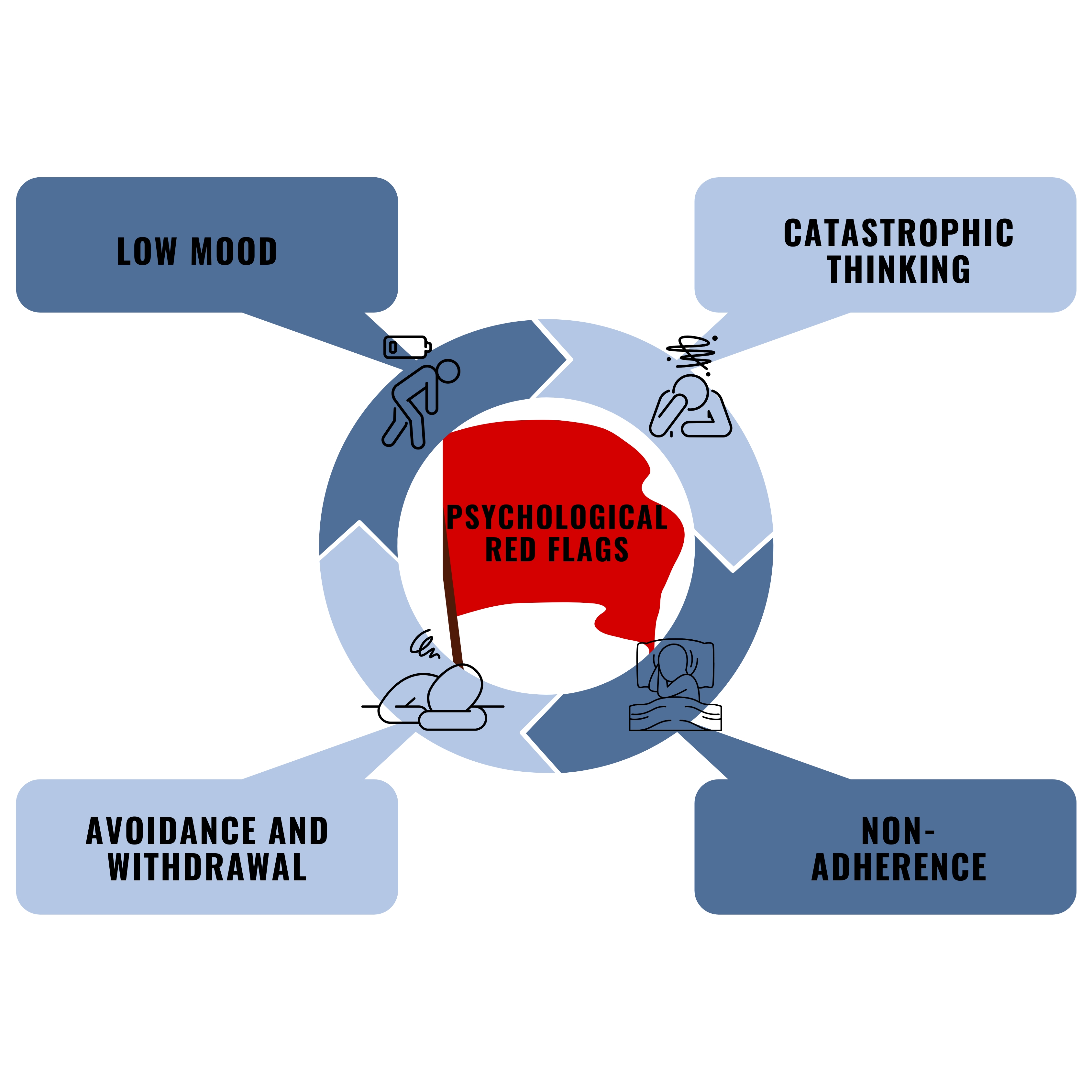
1.Low Mood
One of the most prevalent psychological red flags in injury recovery is persistent low mood. While clinicians and athletes accept and normalize occasional frustration or disappointment with injury recovery, sustained sadness, hopelessness, or emotional flatness can significantly hinder an athlete’s motivation and resilience. When athletes lose their sense of athletic identity, they may feel disconnected from their sense of purpose, triggering depressive symptoms(1-3). The slow, unpredictable nature of rehabilitation can lead to feelings of helplessness, particularly when athletes perceive setbacks as permanent failures. In clinical settings, this often presents as emotional disengagement where athletes may seem disinterested during sessions, avoid eye contact, or exhibit a general lack of enthusiasm. They might express negative self-talk with statements like, “I’ll never be the same again” or “What’s the point of trying?”. Moreover, social withdrawal is common, and injured athletes may isolate themselves from teammates or support networks, further deepening their emotional disconnection.
Clinicians can integrate several strategies into their practice to support athletes struggling with low mood. Emotional validation is a powerful first step. Acknowledging the athlete’s emotional experience with empathy through simple statements such as, “It’s understandable to feel frustrated” or “This is a challenging process,” can reduce feelings of isolation.
Regular psychological check-ins using validated screening tools, such as the PHQ-9 for depressive symptoms, can help clinicians monitor emotional well-being(4). Clinicians may also support this psychological red flag by introducing behavioral activation techniques, such as encouraging athletes to engage in meaningful, non-sport-related activities to promote positive experiences and restore a sense of normalcy. Finally, mindfulness and self-compassion practices can also reduce self-criticism, promote emotional flexibility, and foster resilience throughout the recovery journey.
“…the psychological journey is just as critical…”
2.Catastrophic Thinking
Another common psychological red flag is catastrophic thinking. This is the tendency to magnify setbacks and assume the worst-case scenario. Catastrophic thinking can create a mental trap, making athletes interpret minor symptoms as signs of re-injury or assume that temporary plateaus indicate permanent impairment(5). This cognitive distortion can heighten anxiety and undermine confidence, limiting an athlete’s willingness to engage fully in rehabilitation. In clinical practice, catastrophic thinking often manifests as excessive worry over normal physical sensations. Athletes may express fears like, “What if I tear it again?” after experiencing typical post-exercise soreness. They may also display black-and-white thinking, making rigid, all-or-nothing statements such as, “If I can’t play at 100%, I might as well give up”. Emotional volatility, where individuals display fluctuating between hope and despair, can further indicate catastrophic thinking patterns.
To address catastrophic thinking, clinicians can use cognitive-behavioral techniques to help athletes reframe their thoughts. For example, guiding athletes to challenge exaggerated beliefs by examining the evidence (“Is this pain really a sign of re-injury, or is it part of normal muscle recovery?”) can reduce cognitive distortions(6). Gradual exposure therapy can also be highly effective by slowly reintroducing feared movements in a controlled and safe environment. This helps athletes rebuild confidence and desensitizes their fear response. Additionally, establishing confidence-building milestones can counter catastrophic assumptions. By setting small, achievable goals and celebrating incremental progress, clinicians can help athletes recognize their gains and build psychological momentum.
3. Avoidance and Withdrawal
Avoidance and withdrawal are other psychological red flags that clinicians frequently encounter. When athletes avoid rehabilitation sessions, withdraw from social interactions, or disengage emotionally, it often signals emotional distress(7). Injury-related grief, frustration, or fear can drive athletes to avoid, either by physically skipping sessions or emotionally disengaging. In clinical settings, avoidance may be frequent appointment cancellations, chronic lateness, or half-hearted participation during sessions. Athletes may also display emotional numbing, appearing flat or disinterested, while verbally downplaying their struggles with dismissive statements like, “I’m fine” or “It’s nothing.” Social isolation is another common feature, as athletes pull away from their teams and avoid reminders of their temporary or permanent loss of athletic participation.
Clinicians can help athletes overcome avoidance by maintaining gentle, consistent outreach. Expressing genuine care, even when the athlete is withdrawing, reinforces their sense of connection and support. Encouraging participation in group-based rehab or peer support groups can reduce isolation and foster connection with others going through similar experiences. Emotion-focused interventions, such as Emotion Focused Therapy (EFT) or Compassion-Focused Therapy (CFT), can help athletes process their emotions safely, reducing the urge to suppress or avoid them(8,9). Normalizing vulnerability is equally important to help athletes understand that emotional struggles are a natural part of injury recovery, reducing the stigma around seeking support.
“To address catastrophic thinking, clinicians can use cognitive-behavioral techniques…”
4. Non-adherence
Finally, non-adherence is a significant psychological red flag, often indicating deeper emotional conflicts. While occasional missed appointments or skipped exercises are expected during recovery, persistent non-adherence can be a warning sign of emotional burnout, fear, or low self-efficacy(10). Athletes struggling with non-adherence may frequently cancel sessions, disregard rehab guidelines, or display inconsistent participation, alternating between overexertion (to “prove” themselves) and withdrawal (out of frustration or hopelessness). Some may also engage in self-sabotaging behaviors, such as pushing too hard or skipping rest days, risking further injury.
The underlying drivers of non-adherence often include fear of re-injury, low confidence in recovery (low self-efficacy), and emotional exhaustion. Athletes who lack confidence in their ability to recover may disengage as a self-protective measure, while those emotionally burned out may feel too depleted to engage fully. Clinicians can employ motivational interviewing techniques to support athletes showing signs of non-adherence(11). Using open-ended questions and reflective listening allows athletes to explore their ambivalence and express their concerns without judgment. Collaborative goal setting is another valuable strategy, and when athletes feel involved in shaping their rehab plan, they experience a greater sense of ownership and accountability. Clinicians should also remember when to refer athletes to mental health professionals. If non-adherence is driven by unresolved psychological distress, involving a psychologist can offer the emotional support needed to re-engage fully with rehab.
Conclusion
Recognizing and addressing these psychological red flags is not merely about improving rehabilitation compliance; it is about fostering holistic, sustainable recovery, ultimately promoting better outcomes. When clinicians address the emotional and cognitive drivers behind avoidance, fear, and disengagement, they empower athletes to build the emotional resilience necessary for long-term success. Clinicians can create a psychologically informed rehabilitation environment by incorporating regular psychological check-ins, using evidence-based cognitive and emotional interventions, and collaborating with mental health professionals when needed. This supports physical healing and strengthens the athlete’s mental wellbeing, helping them return to sport with confidence, resilience, and renewed motivation. By recognizing and responding to psychological red flags, clinicians play a vital role in guiding athletes toward physical and emotional recovery, equipping them for the demands of sport and life beyond it.
References
- Psych of Sport and Exercise. 2024, 73, 102640.
- Int J of Social psychiatry. 2017, 63(7), 598-601.
- J of Sport Rehab. 2023, 32(5), 630-634.
- Journal of General Internal Medicine. 2001, 16(9), 606-613.
- Irrational Beliefs. In Sport Injury Psychology. 2020, pp. 187-196, Routledge.
- Brain Injury. 2014, 29(2), 228–237.
- Emotions in sport. 2000, Human Kinetics.
- Journal of Applied Sport Psychology. 2022, 34(5), 958-982.
- Compassion focused therapy. 2022, Routledge
- Int Review of Sport and Exercise Psych. 2021, 14(1), 51-73.
- JPMA. 2021, 71(1123).

Latest Issue

Subscribe Today
Newsletter Sign Up
Subscriber Testimonials
Dr. Alexandra Fandetti-Robin, Back & Body Chiropractic
Elspeth Cowell MSCh DpodM SRCh HCPC reg
William Hunter, Nuffield Health
Subscribe Today



Newsletter Sign Up



Coaches Testimonials
Dr. Alexandra Fandetti-Robin, Back & Body Chiropractic
Elspeth Cowell MSCh DpodM SRCh HCPC reg
William Hunter, Nuffield Health
Subscribe Today
Latest Issue

Be at the leading edge of sports injury management
Our international team of qualified experts (see above) spend hours poring over scores of technical journals and medical papers that even the most interested professionals don't have time to read.
For 17 years, we've helped hard-working physiotherapists and sports professionals like you, overwhelmed by the vast amount of new research, bring science to their treatment. Sports Injury Bulletin is the ideal resource for practitioners too busy to cull through all the monthly journals to find meaningful and applicable studies.
*includes 3 coaching manuals
Get Inspired
All the latest techniques and approaches


Sports Injury Bulletin brings together a worldwide panel of experts – including physiotherapists, doctors, researchers and sports scientists. Together we deliver everything you need to help your clients avoid – or recover as quickly as possible from – injuries.
We strip away the scientific jargon and deliver you easy-to-follow training exercises, nutrition tips, psychological strategies and recovery programmes and exercises in plain English.
