
 close
close


 LOGIN
LOGINYou are viewing 1 of your 1 free articles
Shoulder injuries in soccer players


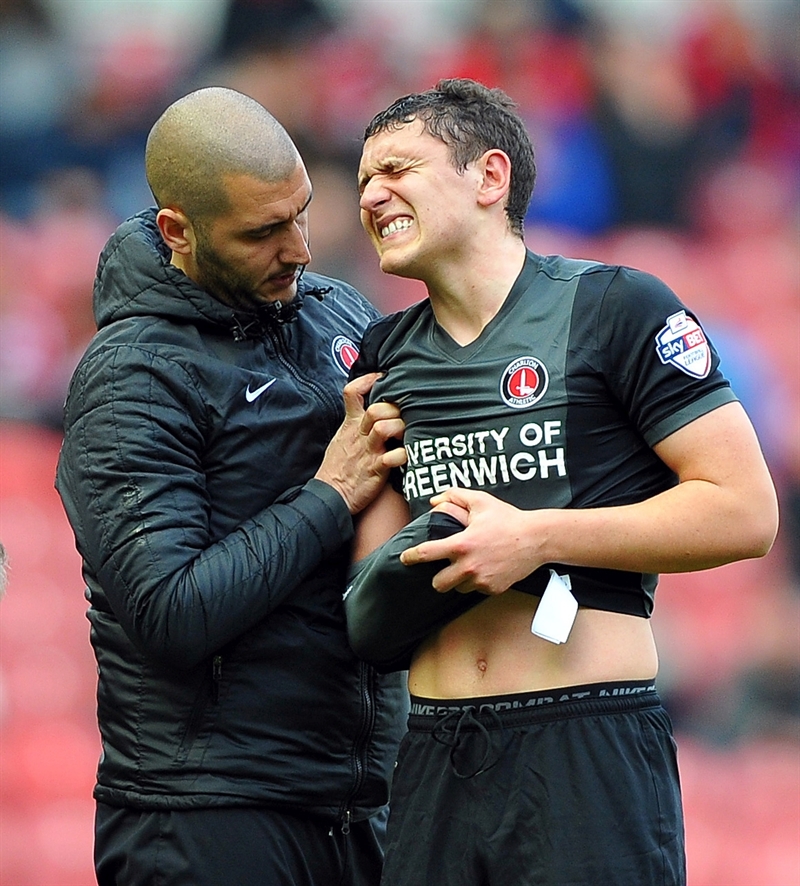
Admittedly most soccer related injuries are to the lower extremities. However a recent study by researchers at Brown University found that a rising number of soccer related injuries are suffered in the upper extremity(1). The study evaluated a sample of 100 hospital emergency departments from 1999 to 2016 and found that nearly a quarter (20.4%) of soccer related injuries to patients between 14 and 23 years of age, where to the upper extremity(1).
In the Brown University study, most of the patients with upper extremity injuries related to soccer were male. Fractures and dislocations were the more prevalent injuries among the entire population. However, the male patients were more likely to suffer a shoulder or finger dislocation.
A recent clinical review found that goalkeepers were five times more likely to suffer an upper extremity injury than field players(2). The researchers sited a rate of 18% of all injuries in professional goalies as arm and shoulder injuries(2). Specifically, shoulder, clavicle and hand injuries were the most prevalent. Defending the goal requires repeated reaching and stopping the ball with the arms, and leaves the goaltender vulnerable to falling with unusual arm positions. Therefore, it makes sense then that 90% of the injuries to the upper extremity experienced by goalkeepers are a result of trauma as opposed to overuse.
Shoulder injuries
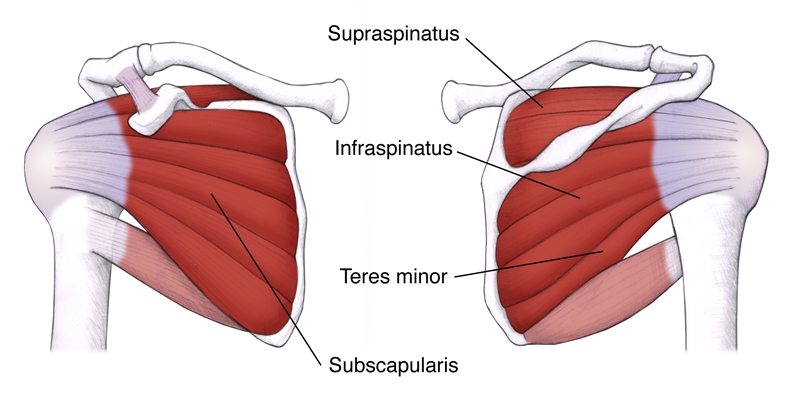
Researchers site the increased participation in soccer by youth as well as the changing characteristics of the game, like the higher speed and more aggressive pressing, to blame for a growing incidence of upper extremity injuries. The most frequent upper extremity injuries experienced by professional soccer players were to the shoulder. Nearly a third of these were severe dislocations(2). For outfielders, a shoulder dislocation requires a mean of 41 days away from the sport. For goalies, this time is doubled. This is because goalkeepers need full shoulder function and stability to return to their position.Just over half of the shoulder dislocations reported in soccer players are due to high-energy trauma(2). The rest are a result of low energy injuries, some without any contact at all. This highlights the fact that there may be underlying shoulder instability in some soccer athletes, especially goalkeepers. Not usually thought of as overhead sportsmen, goalkeepers may benefit from shoulder health strengthening and injury prevention programs similar to other overhead athletes. One way to evaluate shoulder strength and stability is through isokinetic testing, particularly the SITS muscles - the supraspinatus, infraspinatus, subscapularis, and trees minor (see figure 1).
Figure 1: Ventral (left) and dorsal (right) view of the SITS muscles.
Acromioclavicular joint injuries comprise 18% of upper extremity trauma in soccer players(2). Most of these injuries are sprains of the type I to III grades (see table 1). However even with a low-grade sprain, goalkeepers require a rehabilitation period three times longer than other players. Higher-grade injuries and tears may require surgical repair, which may mean a longer rehab course.
In a recent article, physio Chris Mallac explains the anatomy, function, mechanism of injury and rehab of the AC joint. Usually an injury that results from more vigorous contact sports, the same principles apply to rehabilitating soccer players and goalkeepers. However, because goalkeepers require more stability and function of their upper extremities, they may experience a delayed return to sport when compared to outfielders that rely on their legs to win the game.
Table 1: Grading for acromioclavicular joint injuries
| Grading system for ACJ injury | |
|---|---|
| Type | Features |
| I | The AC ligaments are sprained, but the joint is intact. No palpabledisplacement of the joint itself. Minimal to moderate tenderness andswelling over the AC joint. Patients have only minimal pain with movementof the arm. Radiographically there may be mild soft tissue swelling, butthere is no widening, separation, or deformity at the AC joint. |
| II | AC ligaments are torn, but the CC ligaments are intact. Type II injuriesare characterised by moderate to severe pain at the AC joint. The distalend of the clavicle may be palpated to be slightly superior to theacromion and shoulder motion produces more pain at the AC joint. Thedistal clavicle is also found to be unstable in the horizontal plane ifgrasped and moved anterior to posterior. A bilateral Zanca view maydemonstrate that the distal clavicle is slightly elevated, but the CCinterspace is the same in both the injured and uninjured shoulders. |
| III | Patients with type III injuries present with the upper extremity in asupported, adducted and elevated position to help relieve pain. In typeIII injuries both the AC and CC ligaments are torn, but the deltoid andtrapezial fascia are intact. The distal clavicle may be prominent enoughto tent the skin and is unstable in both the vertical and horizontalplanes. These patients have a severe amount of pain with tenderness topalpation at the AC joint. Any movement of the arm, especiallyabduction, creates pain and discomfort, especially for the first 1—3weeks. Both plain and bilateral Zanca x-rays reveal that the distalclavicle is 100% displaced superiorly in relation to the acromion. Inactuality, the position of the clavicle is not altered by the injury. Theweight of the upper extremity causes the acromion to displace inferiorlyin relation to the horizontal plane of the lateral clavicle. In obviouscases of dislocation the clavicle is displaced superiorly from theacromion and the CC interspace will be greater in the injured shoulder. |
| IV | Type IV injuries are characterised by complete dislocation withposterior displacement of the distal clavicle into or through the fasciaof the trapezius. Physical examination of these patients reveals agreater amount of pain as compared with patients with type III injuries,and the pain is located more posteriorly. Examination of the seatedpatient from above will reveal that the distal clavicle is displacedposteriorly when compared with the uninjured shoulder. It is possiblefor the distal clavicle to become ‘button-holed’ in the trapezius andtent the skin posteriorly. With a type IV injury it is also important toexamine the SC joint for a concomitant anterior dislocation. Theposteriorly displaced clavicle is best appreciated on an axillary view ofthe shoulder. |
| V | Type V injuries represent a greater degree of soft tissue damage withthe deltotrapezial fascia being stripped off the acromion and theclavicle. These injuries present as a more severe type III injury withmore pain and a greater amount of displacement at the AC joint. Thedistal end of the clavicle appears to be grossly displaced superiorlytowards the neck. The scapula is translated anteriorly and inferiorly asit migrates around the thorax. On bilateral Zanca view there is 100—300% increase in the CC interspace. Patients with a type V injury mayhave pain in the neck or trapezius due to the disruption of thedeltotrapezial fascia. |
| VI | Type VI injuries are inferior AC joint dislocations into a subacromial orsubcoracoid position. Type VI injuries are usually seen in high energypolytrauma patients. The mechanism of injury is extremehyperabduction and external rotation of the arm combined withretraction of the scapula. Associated injuries include clavicle and upperrib fractures and upper root brachial plexus injuries. It is notuncommon for these patients to have transient paraesthesias thatsubside after reduction. |
Reference
- Sports Health. 2018 Nov/Dec;10(6):552-7
- Am J Orthop. 2018;47(10)

Alicia Filley
Latest Issue

Subscribe Today
Newsletter Sign Up
Subscriber Testimonials
Dr. Alexandra Fandetti-Robin, Back & Body Chiropractic
Elspeth Cowell MSCh DpodM SRCh HCPC reg
William Hunter, Nuffield Health
Subscribe Today

Newsletter Sign Up
Coaches Testimonials
Dr. Alexandra Fandetti-Robin, Back & Body Chiropractic
Elspeth Cowell MSCh DpodM SRCh HCPC reg
William Hunter, Nuffield Health
Subscribe Today
Latest Issue
Be at the leading edge of sports injury management
Our international team of qualified experts (see above) spend hours poring over scores of technical journals and medical papers that even the most interested professionals don't have time to read.
For 17 years, we've helped hard-working physiotherapists and sports professionals like you, overwhelmed by the vast amount of new research, bring science to their treatment. Sports Injury Bulletin is the ideal resource for practitioners too busy to cull through all the monthly journals to find meaningful and applicable studies.
*includes 3 coaching manuals
Get Inspired
All the latest techniques and approaches


Sports Injury Bulletin brings together a worldwide panel of experts – including physiotherapists, doctors, researchers and sports scientists. Together we deliver everything you need to help your clients avoid – or recover as quickly as possible from – injuries.
We strip away the scientific jargon and deliver you easy-to-follow training exercises, nutrition tips, psychological strategies and recovery programmes and exercises in plain English.
