
 close
close


 LOGIN
LOGINYou are viewing 1 of your 1 free articles
Significance of upper scapular rotation on rotator cuff tendon compression


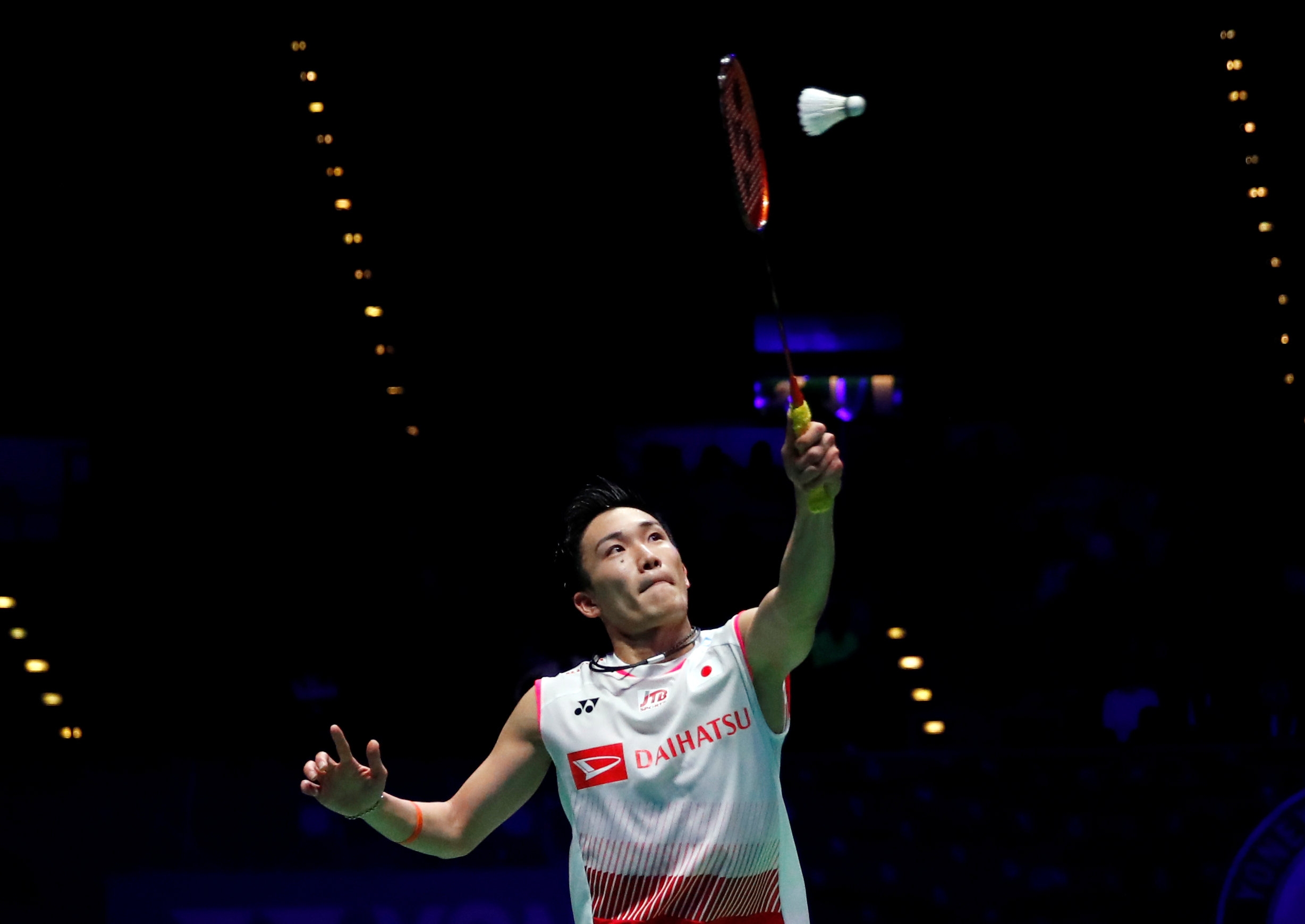
Scapulohumeral rhythm describes the intimate relationship between the movement of the humerus and the scapula in abducting the shoulder joint. When elevating the arm, the scapula moves in an upward rotation one degree for every two degrees of humeral movement. Since both bones contribute to the joint movement, impairment of the movement of one, usually the scapula, has consequences for the other. Therefore, scapular dyskinesia is often implicated in shoulder pathology, such as rotator cuff injury.
Researchers at the University of Minnesota wondered how decreased scapular upward rotation (UR) might effect the the rotator cuff (RC) muscles. They hypothesized that those with decreased UR would have a narrower distance between the coracoacromial arch and the insertion of the RC muscles on the humerus (see figure 1) at angles of elevation below 60°(1).
Figure 1: Cross sectional shoulder anatomy
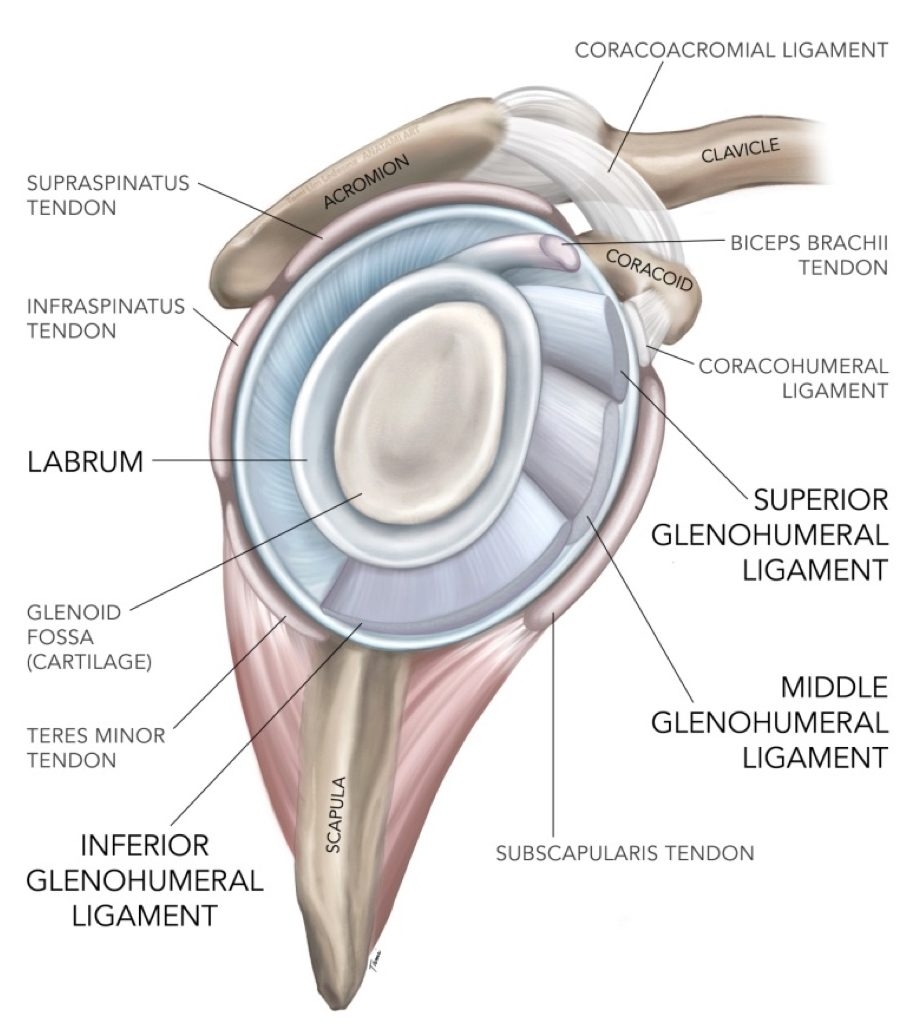
Notice that the supraspinatus, infraspinatus and teres minor tendons lie between the acromion and coracoid and the humerus.
Sixty tests subjects were divided into symptomatic shoulder and non-symptomatic groups. They were matched for age, gender, and dominant hand between groups. Scapulothoracic upward rotation measurements were taken of all subjects at 30°of humeral elevation. The entire subject population was then divided into thirds according to scapular UR, into high, mid, and low UR groups.
Each of the high and low subjects underwent magnetic resonance imaging of their shoulder, from which a 3-D computer model was made. Those with mid range UR were not included in the study. The subjects’ shoulder motion was then evaluated using C-arm fluoroscopy and motion caption cameras. Researchers superimposed the 3-D model upon the motion films which allowed them to take into account each participant’s anatomical variations. Using the superimposed model, they measured the distance between the coracoacromial arch and the insertion of the RC at various angles of scapular plane abduction. They reported this distance in relation to the thickness of the RC at the insertion. Therefore, if the minimal distance was 100% or less, then the space between the insertion and the arch was completely taken up by the tendon and the two were touching.
Contact with and compression of the RC is often thought to be the cause of RC pathology. Almost half (45%) of the participants demonstrated contact at some point in the arc of elevation, regardless of which UR group they belonged or whether they were symptomatic. The difference between the number of subjects in each UR group who demonstrated contact was not significant. One third of those who demonstrated contact between the RC and the arch did so at 60°of elevation.
Clinical Implications
Rotator cuff pain is usually felt in the upper ranges of arm elevation. Therefore, most assumed that compression of the RC occurred at 80°of flexion or beyond. This study, however, found that the distances between the arch and the RC were smallest between 50°and 70°of scapular plane flexion. This confirms other 3-D studies with similar findings. The question that naturally follows is, if impingement occurs at lower angles of elevation, why is pain felt at higher angles? The researchers postulate that perhaps the greater force required to move a longer lever arm through the mid-range of motion elicits pain in an already irritated tendon. Another theory is that pain usually attributed to RC compression is actually impingement within the joint or compression of another structure altogether, such as the subacromial-subdeltoid (SASD) bursa.Those in the low UR group experienced the maximum narrowing of the arch-to-tendons space 9° lower in the arc of motion than the high UR group. This difference, however, was not significant, suggesting that decreased scapular rotation may not increase the incidence of compression or be clinically significant at higher angles. This has special importance when treating overhead athletes who feel pain mid-arc or higher. However, if scapular dyskinesia is noted at lower ranges of motion and corresponds with symptoms, then correcting the UR should be incorporated into a treatment plan.
Of note, the distribution of symptomatic individuals between the high and low UR groups was not significant. This means that shoulder pain occurs with both high and low UR and high and low UR both occur without shoulder pain. Therefore, is scapular UR even a noteworthy clinical finding? Answering this question is beyond the scope of this study, but does prompt the clinician to not attribute all dysfunction to scapular motion. Considering that functional improvement for those who suffer from RC pathology hovers around only 50%, practitioners should give thoughtful consideration to the rehabilitation approach and exercise goals1. For instance, if the SASD bursa is the culprit rather than the RC tendons as Chris Mallac suggests, then a period of rest and load management may be in order initially to calm the irritation.
Reference:
- JOSPT. 2019 March;49(3):180-91

Alicia Filley

Latest Issue

Subscribe Today
Newsletter Sign Up
Subscriber Testimonials
Dr. Alexandra Fandetti-Robin, Back & Body Chiropractic
Elspeth Cowell MSCh DpodM SRCh HCPC reg
William Hunter, Nuffield Health
Subscribe Today


Newsletter Sign Up

Coaches Testimonials
Dr. Alexandra Fandetti-Robin, Back & Body Chiropractic
Elspeth Cowell MSCh DpodM SRCh HCPC reg
William Hunter, Nuffield Health
Subscribe Today
Latest Issue

Be at the leading edge of sports injury management
Our international team of qualified experts (see above) spend hours poring over scores of technical journals and medical papers that even the most interested professionals don't have time to read.
For 17 years, we've helped hard-working physiotherapists and sports professionals like you, overwhelmed by the vast amount of new research, bring science to their treatment. Sports Injury Bulletin is the ideal resource for practitioners too busy to cull through all the monthly journals to find meaningful and applicable studies.
*includes 3 coaching manuals
Get Inspired
All the latest techniques and approaches


Sports Injury Bulletin brings together a worldwide panel of experts – including physiotherapists, doctors, researchers and sports scientists. Together we deliver everything you need to help your clients avoid – or recover as quickly as possible from – injuries.
We strip away the scientific jargon and deliver you easy-to-follow training exercises, nutrition tips, psychological strategies and recovery programmes and exercises in plain English.
